8 New Food Trends You’ll See on Grocery Shelves in 2027, According to Whole Foods
October 18, 2026
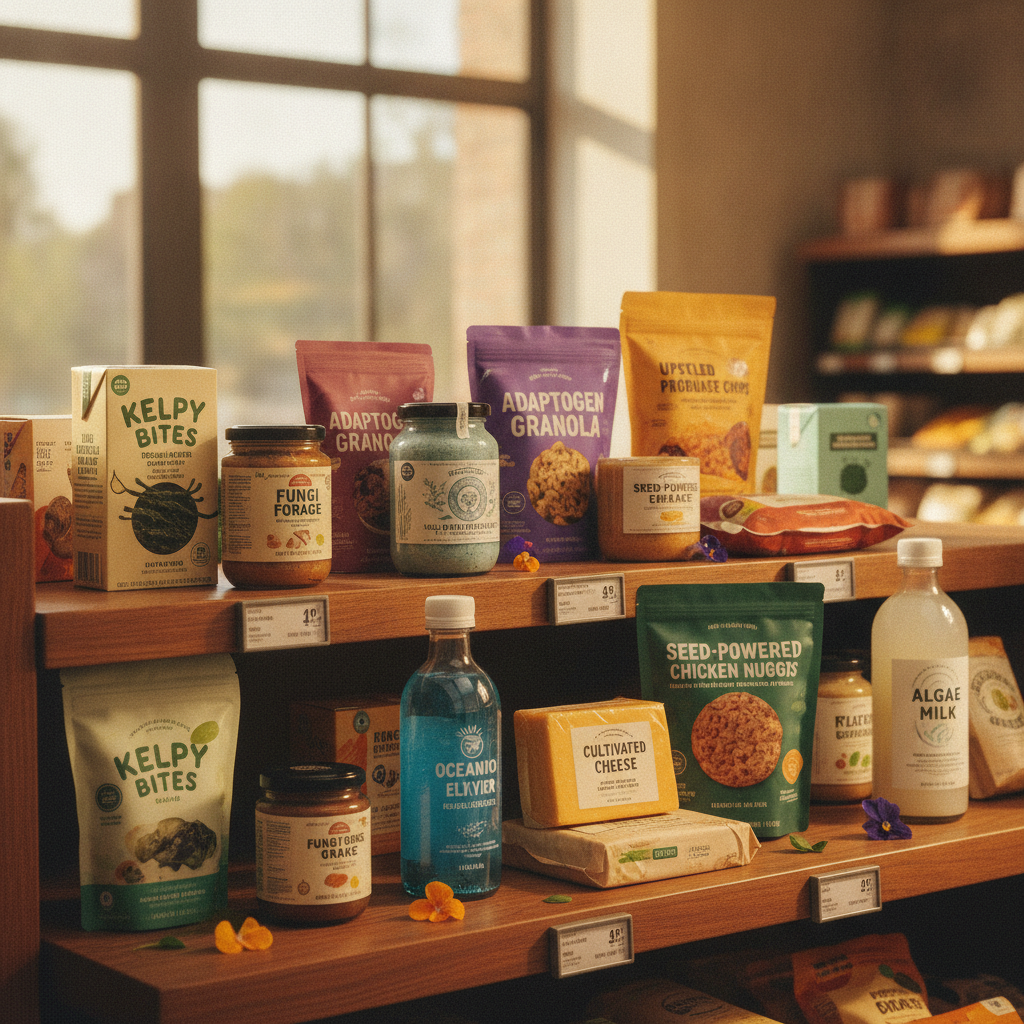
Whole Foods predicts eight major food trends for 2027, including global flavors, functional ingredients, sustainable sourcing, and convenient plant-based options. These forecasts highlight a shift toward health-focused, environmentally conscious products that blend bold international tastes with everyday convenience, signaling what shoppers can expect to find filling grocery store shelves in the coming year.
What are the biggest food trends for 2027?
Whole Foods has released its annual trend predictions. These shape what lands on US grocery shelves next year. Smart home cooks can plan their pantries now.
The 2027 list focuses on bold flavors and sustainability. Expect more global ingredients and clever convenience foods. Many trends also reward precise measuring and baking skills.
The 2027 trends blend global flavor, sustainability, and smarter home cooking.
Which 8 food trends made the 2027 list?
1. Sea-forward snacking
Kelp, seaweed, and sea moss are moving beyond sushi. You’ll find them in chips, seasonings, and smoothie blends. They add minerals and umami with minimal effort.
Try whisking 1 teaspoon of sea moss gel into a smoothie. Measure carefully, since a little goes a long way. These ingredients thicken liquids fast.
2. Next-level baking flours
Alternative flours like chickpea, cassava, and tiger nut are surging. They suit gluten-free and high-protein diets. Bakers love their unique textures.
Remember that alternative flours absorb liquid differently. Weigh flour in grams rather than cups for accuracy. Our conversion tools help you swap confidently.
Weighing alternative flours prevents dense, dry bakes every time.
3. Sourdough everything
Sourdough expands beyond bread into crackers, pasta, and pizza. Slow fermentation improves flavor and digestibility. Shoppers want that tangy depth.
Home starters need consistent feeding ratios. A classic feed is 1:1:1 flour, water, and starter by weight. Precise measuring keeps your culture lively.
4. Mushroom mania
Functional mushrooms like lion’s mane and reishi are everywhere. They appear in coffee, broths, and even candy. Fans chase focus and calm.
Powders are potent, so follow serving sizes. Most blends suggest 1 to 2 grams per cup. Over-measuring can turn flavors bitter.
5. Noodles reinvented
Expect noodles made from hearts of palm, mung beans, and edamame. They cook fast and pack protein. Perfect for quick weeknight meals.
Cooking times vary widely between types. Follow package measurements closely to avoid mushy results. A kitchen timer is your best friend.
Reinvented noodles deliver protein without long cooking times.
6. Global condiments
Calabrian chili, yuzu kosho, and chamoy are going mainstream. They add instant flavor to simple dishes. A spoonful transforms any meal.
These condiments are concentrated and salty. Start with 1 teaspoon, then taste and adjust. Measuring prevents overpowering your dish.
7. Smarter sweeteners
Allulose, monk fruit, and date syrup replace refined sugar. They reduce calories while keeping sweetness. Bakers get healthier results.
Sweeteners rarely swap one-for-one with sugar. Allulose browns faster, so adjust baking temperatures slightly. Use our measurement guides for safe ratios.
Alternative sweeteners require careful ratio adjustments in baking.
8. Upcycled ingredients
Brands turn food scraps into flours, snacks, and spreads. Think banana-peel baking mixes and coffee-fruit powders. It fights waste deliciously.
Upcycled flours behave uniquely in recipes. Test small batches and record your measurements. This builds reliable, repeatable results.
Why do food trends matter for home cooks?
Trends shape what ingredients you can buy. Knowing them early helps you stock your pantry wisely. You cook with confidence and less waste.
Many trends demand precise measuring and conversions. Weighing ingredients in grams improves consistency. Accurate baking is the key to trendy success.
Understanding trends plus precise measuring equals better cooking at home.
How can you start trying these trends today?
Pick one trend that excites you most. Buy a small quantity to experiment first. Keep notes on your measurements and results.
Use reliable conversion tools for new ingredients. This avoids costly mistakes and failed bakes. Start simple, then build complexity.
Experiment with one trend at a time for the best learning.
Frequently asked questions
When will these 2027 trends hit grocery stores? Many products appear gradually throughout 2026 and early 2027. Whole Foods often launches trend items first, with other retailers following soon after.
Do alternative flours measure the same as regular flour? No, they absorb liquid differently and vary in density. Always weigh them in grams and check a conversion chart for accuracy.
How much sea moss or mushroom powder should I use? Start with 1 to 2 grams per serving. These ingredients are potent, so measure precisely and increase gradually to taste.
Can I swap sugar for allulose one-for-one in baking? Not exactly, since allulose browns faster and sweetens differently. Adjust quantities and oven temperature, and consult a trusted measurement guide first.
Try our free tools
Make your next recipe easier with our free kitchen converters and calculators – perfect measurements every time.