The Surprising Food Trend That’s Going to Be Huge in 2027
October 16, 2026
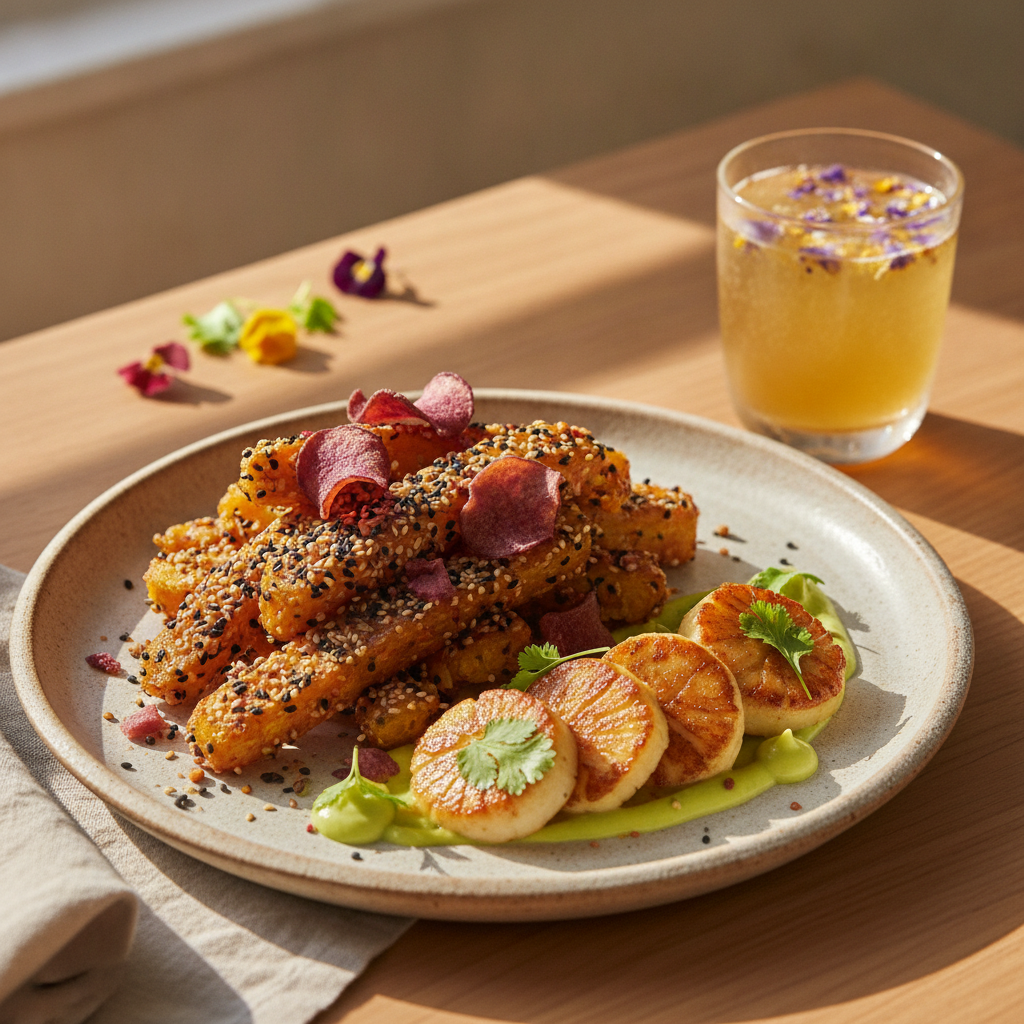
Fermented and functional foods are predicted to be the surprising food trend that goes huge in 2027, blending gut-health benefits with bold global flavors. Expect fermented hot sauces, probiotic sodas, miso-based desserts, and koji-infused dishes to dominate menus as diners increasingly seek foods that support wellness while delivering adventurous, umami-rich taste experiences.
What is the biggest food trend coming in 2027?
The next big wave is “precision fermentation baking.” Home cooks are pairing wild yeasts with exact measurements. This blends old-world flavor with scientific accuracy.
Think sourdough meets lab-grade precision. Bakers now weigh ingredients to the gram. The result is tangy, gut-friendly bread every single time.
Precision fermentation baking will dominate US kitchens by 2027.
Why is precision fermentation becoming so popular?
Americans crave gut-healthy, flavorful foods. Fermentation delivers probiotics and deep taste naturally. It also reduces food waste by using simple pantry staples.
Social media fuels this trend hard. Viral videos show bubbling starters and perfect crumb shots. The precision angle makes it feel achievable for beginners.
Gut health plus exact measuring makes fermentation irresistible for home bakers.
What foods fall under this trend?
The movement goes far beyond bread. Expect fermented hot sauces, koji butter, and tangy pancakes. Each recipe leans on careful weighing and timing.
- Sourdough loaves and discard crackers
- Fermented honey and garlic jars
- Koji-cured meats and vegetables
- Probiotic sodas and tepache
Fermentation now touches nearly every corner of the modern US kitchen.
How do measurements affect fermentation success?
Fermentation is chemistry, not guesswork. Salt ratios control bacteria growth precisely. Too little salt spoils the batch, too much stops it entirely.
Most experts use a 2% salt-to-vegetable weight ratio. For 1,000 grams of cabbage, add 20 grams of salt. Accurate scales beat measuring cups here.
Our conversion tools help you switch grams to ounces fast. This keeps your ratios perfect across any recipe.
Precise weighing is the secret to safe, delicious fermentation.
What ratios should beginners memorize?
Start with three simple baker’s percentages. These form the backbone of fermentation success. Memorize them before your first batch.
- Bread hydration: 70% water to flour weight
- Brine strength: 2% to 5% salt by weight
- Starter feeding: 1:1:1 starter, flour, water
Learning baker’s percentages makes scaling recipes effortless.
How can home cooks start this trend early?
Begin with a simple sourdough starter. Mix 50 grams flour with 50 grams water daily. Watch it bubble within a week.
Invest in a digital scale first. It measures to the gram for consistent results. Cups and spoons simply cannot match that accuracy.
A reliable kitchen scale is your single best fermentation investment.
What tools do you really need?
You need less gear than you think. A few basics cover nearly every project. Quality matters more than quantity here.
- Digital kitchen scale measuring in grams
- Glass jars with loose-fitting lids
- A thermometer for temperature control
- Cloth covers and rubber bands
Simple tools and accurate measuring unlock professional fermentation results.
Will this trend change how we bake?
Absolutely, and it already is. Bakers now treat recipes like formulas. Weight-based baking replaces volume-based guessing nationwide.
This shift improves consistency dramatically. Your tenth loaf matches your first perfectly. That reliability keeps fermentation fans hooked for good.
Weight-based, fermented baking is the future of American home kitchens.
Frequently asked questions
Is fermentation baking hard for beginners? No, it is forgiving once you master salt ratios and measurements. Start small and build confidence slowly.
What salt ratio is safe for fermenting vegetables? Aim for 2% to 5% salt by vegetable weight. This prevents spoilage while encouraging good bacteria.
Do I need a scale for fermentation? Yes, a gram-accurate digital scale ensures consistent, safe results every time. Cups cannot match that precision.
How do I convert fermentation measurements easily? Use panvert.com’s free conversion tools to switch grams, ounces, and cups instantly for any recipe.
Try our free tools
Make your next recipe easier with our free kitchen converters and calculators – perfect measurements every time.